Post-Workout Nutrition Tips
Post-Workout Nutrition Tips
After a workout, your body needs the right nutrients to recover, rebuild muscle, and restore energy. Whether you are doing strength training, cardio, or a combination of both, post-workout nutrition can make a meaningful difference in your fitness progress. Choosing balanced foods after exercise can support muscle recovery while helping you stay energized throughout the day.
Prioritize Protein
Protein is one of the most important nutrients after exercise because it provides amino acids needed for muscle repair and growth. A post-workout meal or snack should contain a good protein source such as eggs, Greek yogurt, cottage cheese, paneer, chicken, fish, tofu, or beans. If you use protein powder, it can also be a convenient option when you do not have time to prepare a meal.
Include Carbohydrates
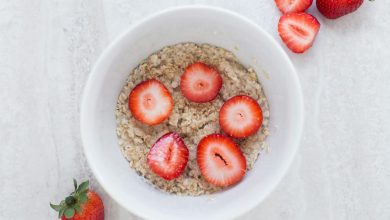
Carbohydrates help replenish glycogen stores that your muscles use during exercise. This is particularly important after longer or intense workouts. Good choices include oats, rice, potatoes, whole-grain bread, bananas, fruits, and other minimally processed carbohydrate sources. Combining carbohydrates with protein can provide a more balanced recovery meal.
Do Not Forget Fluids
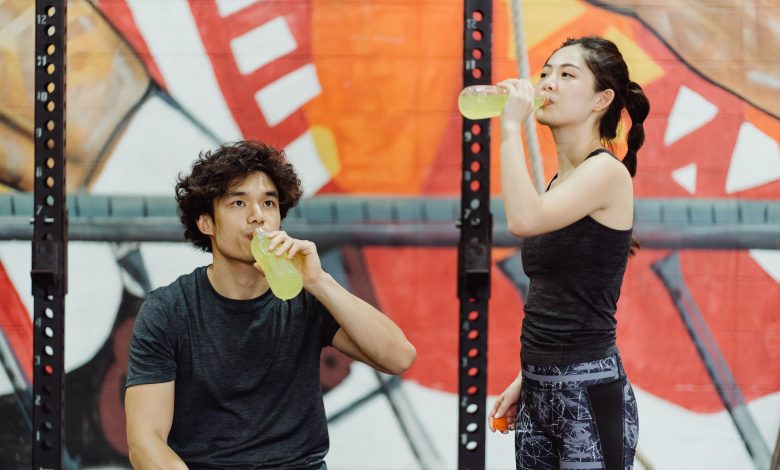
Sweating during exercise causes fluid loss, so rehydration is an important part of recovery. Drink water after your workout and continue drinking throughout the day. If you have exercised intensely for a long period or have lost a significant amount of sweat, an electrolyte-containing drink or meal may also be useful.
Choose Nutrient-Dense Foods
Post-workout nutrition is not just about protein and carbohydrates. Your overall meal should provide vitamins, minerals, fiber, and other nutrients. Vegetables, fruits, whole grains, nuts, seeds, and legumes can help create a nutritious diet that supports your broader fitness goals.
Consider Healthy Fats
Healthy fats are an important part of a balanced diet, although you do not need to consume a large amount immediately after training. Foods such as nuts, seeds, avocado, and olive oil can provide beneficial fats. Include them according to your overall calorie and nutrition needs.
Pay Attention to Timing
You do not necessarily need to eat immediately after finishing your workout. For most people, having a balanced meal or snack within a few hours is a practical approach. If you trained while fasting or have another workout scheduled soon, eating sooner may be more helpful. What you eat consistently throughout the day is generally more important than focusing on a very narrow post-workout window.
Keep Portions Appropriate
The ideal post-workout meal depends on your workout intensity, body size, fitness goals, and total daily food intake. Someone trying to build muscle may need more calories and protein, while someone focused on weight management may need to control portions. Avoid assuming that a hard workout means you need to consume large quantities of food afterward.
Simple Post-Workout Ideas
Easy combinations can make healthy recovery meals more convenient. Try Greek yogurt with fruit and oats, eggs with whole-grain toast, paneer with vegetables and rice, chicken with rice and vegetables, or a smoothie containing yogurt, fruit, and oats. Choose options that fit your dietary preferences and overall nutrition plan.
Conclusion
Effective post-workout nutrition combines protein, carbohydrates, fluids, and nutrient-dense foods. You do not need complicated supplements or an elaborate meal to support recovery. Focus on balanced meals, adequate hydration, appropriate portions, and consistent nutrition throughout the day. With these habits, your post-workout meal can become a simple and useful part of a sustainable fitness routine.