Foam Rolling for Sore Muscles
Foam Rolling for Sore Muscles
Muscle soreness is a common experience after exercise, especially when you try a new workout, increase your training intensity, or perform movements that your body is not accustomed to. While rest, hydration, and proper nutrition are important for recovery, foam rolling can also be a useful addition to your routine. This simple technique uses a foam roller to apply pressure to muscles and surrounding soft tissues, helping you feel more comfortable after physical activity.
What Is Foam Rolling?
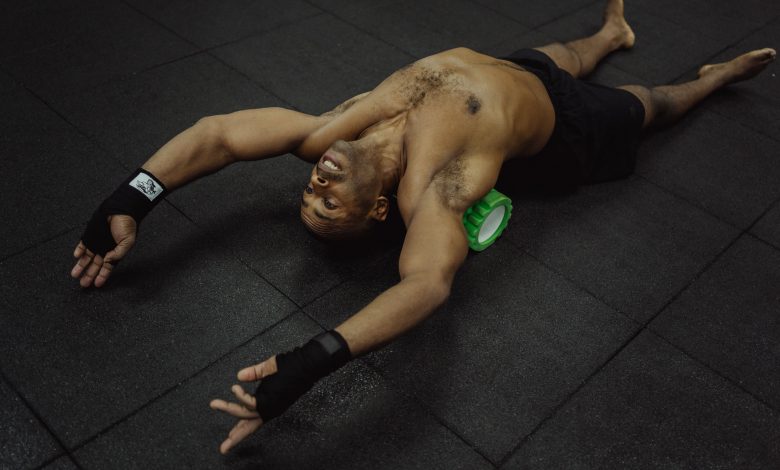
Foam rolling is a form of self-myofascial release that involves slowly moving different parts of your body over a cylindrical foam roller. The pressure created by your body weight can target areas that feel tight or tender. Common areas for foam rolling include the calves, hamstrings, quadriceps, glutes, upper back, and sides of the hips.
The goal is not to eliminate soreness instantly but to help improve how your muscles feel and move during recovery.
How Foam Rolling May Help Sore Muscles
Foam rolling can temporarily increase feelings of flexibility and reduce the sensation of muscle tightness. The pressure and movement may also encourage circulation around the targeted area, which can make your muscles feel more comfortable.
Some people find foam rolling particularly helpful after challenging workouts because it provides a gentle way to move and stimulate sore muscles without performing another strenuous exercise session.
How to Foam Roll Properly
Start by placing the foam roller underneath the muscle you want to target. Use your hands, arms, or legs to control how much body weight you place on the roller. Slowly move back and forth over the muscle for about 30 to 60 seconds.
When you find a particularly tight or tender area, pause and breathe normally rather than aggressively pressing into it. Foam rolling should feel like manageable pressure, not sharp or severe pain.
Avoid rolling directly over bones, joints, the front or sides of your neck, or areas with an acute injury.
Best Time to Foam Roll
You can foam roll before or after exercise, depending on your goal. Before a workout, short periods of rolling can be combined with dynamic movements to help you prepare for activity. After exercise, foam rolling may be useful as part of a cool-down routine.
You can also use it on rest days when your muscles feel stiff. Consistency is generally more useful than spending a long time on the roller during a single session.
Common Mistakes to Avoid
One common mistake is rolling too quickly. Slow, controlled movements allow you to identify areas that feel tight without unnecessarily irritating them. Another mistake is applying excessive pressure because you believe more discomfort means better results. Foam rolling should not cause sharp pain, numbness, or significant bruising.
It is also important to remember that foam rolling is not a replacement for proper recovery. Adequate sleep, hydration, balanced nutrition, and appropriate rest remain essential.
Conclusion
Foam rolling can be a convenient and inexpensive way to complement your muscle-recovery routine. By applying controlled pressure to major muscle groups, it may help reduce feelings of tightness and improve short-term flexibility and comfort. Start gently, focus on controlled movements, and avoid painful areas. When combined with good training habits and adequate recovery, foam rolling can be a practical tool for managing everyday post-workout soreness.