Meal Prep Ideas for Fitness
Meal Prep Ideas for Fitness
Maintaining a healthy fitness routine requires more than regular exercise. The food you eat plays a major role in supporting energy levels, muscle recovery, strength, and overall performance. However, preparing healthy meals every day can be difficult when life gets busy. Meal prepping can make healthy eating easier by planning and preparing meals in advance.
Whether your goal is building muscle, losing body fat, improving endurance, or simply maintaining a balanced lifestyle, having nutritious meals ready can help you stay consistent with your fitness goals.
Start With a Balanced Meal Plan
A good fitness meal should include a balance of protein, carbohydrates, healthy fats, and vegetables or fruits. Protein supports muscle repair and growth, carbohydrates provide energy for workouts, and healthy fats support important functions in the body.
Before preparing your meals, think about how many meals you need for the next few days. You can prepare breakfast, lunch, dinner, and healthy snacks. Planning ahead also makes grocery shopping easier and can reduce the temptation to choose unhealthy convenience foods.
Prepare Protein in Advance
Protein is an essential part of many fitness-focused meal plans. Preparing a large portion of protein at once can save significant time during the week. Chicken, eggs, paneer, Greek yogurt, lentils, beans, tofu, and other suitable protein sources can be included depending on your dietary preferences.
For example, you can cook several portions of grilled or baked chicken and store them in individual containers. Boiled eggs can also make a quick snack or breakfast addition. Vegetarians can prepare lentil curry, chickpeas, tofu, or paneer for convenient meals throughout the week.
Choose Smart Carbohydrate Sources
Carbohydrates are especially useful for providing energy before and after physical activity. Instead of relying mainly on highly processed foods, include nutritious carbohydrate sources such as oats, rice, whole grains, sweet potatoes, potatoes, fruits, and beans.
Prepare a batch of rice or roasted sweet potatoes and divide it into meal portions. Overnight oats are another convenient option for busy mornings. Simply combine oats with milk or yogurt and add fruit, nuts, or seeds before refrigerating.
Add Plenty of Vegetables
Vegetables provide important vitamins, minerals, and fiber. Preparing them in advance can make it easier to include them in every meal. Wash, chop, and store vegetables so they are ready to cook when needed.
You can roast a large tray of mixed vegetables or prepare a simple vegetable stir-fry. Adding vegetables to rice bowls, omelets, wraps, soups, and protein-based meals can increase the nutritional value without making meal preparation complicated.
Create Easy Fitness Meal Combinations
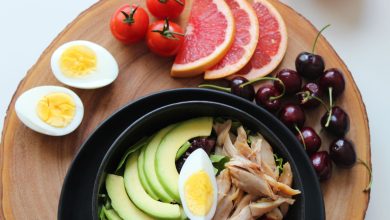
One simple meal-prep idea is a protein bowl containing chicken, paneer, tofu, or beans with rice and vegetables. Another option is overnight oats with fruit and a protein-rich ingredient such as Greek yogurt.
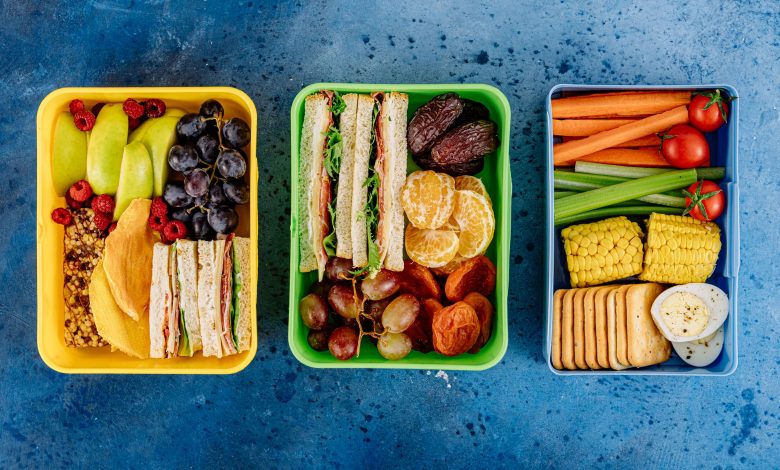
Egg-based meal boxes can also work well. Combine boiled eggs or an omelet with whole-grain bread, vegetables, and fruit. For snacks, prepare containers with yogurt, fruit, nuts, roasted chickpeas, or other nutritious options that fit your eating plan.
Control Portions Without Overcomplicating Meals
Meal prep does not require perfectly identical meals every day. Focus on preparing reasonable portions based on your individual energy needs and fitness goals. If you exercise intensely, you may need more food and carbohydrates than someone with a less active routine.
Using meal containers can make portioning easier. You can divide each meal into sections for protein, carbohydrates, and vegetables. This creates a simple structure while still allowing variety.
Keep Food Storage and Variety in Mind
Prepare only the amount of food you can safely store and eat within a reasonable period. Refrigerate cooked meals promptly and use proper food-storage containers. You can also freeze suitable portions for later use.
To avoid boredom, change seasonings, vegetables, protein sources, and meal combinations each week. A small amount of planning can provide variety without requiring a completely new cooking routine every day.
Conclusion
Meal prepping can make it much easier to support your fitness goals with consistent, nutritious eating. By preparing protein, healthy carbohydrates, vegetables, and convenient snacks ahead of time, you can spend less time worrying about what to eat. Keep your plan simple, choose foods you enjoy, and create meals that fit your activity level and personal fitness goals. With consistency and preparation, healthy eating can become a natural part of your fitness routine.