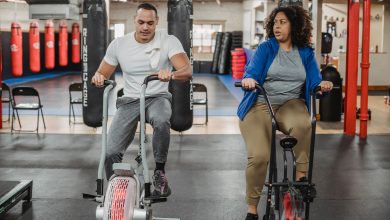
Teen Fitness Tips

Teen Fitness Tips
Introduction
Staying active during the teenage years is one of the best investments young people can make for their physical and mental well-being. Regular exercise helps build strong muscles and bones, improves heart health, boosts confidence, and supports healthy growth. It also helps reduce stress, improve sleep quality, and increase focus in school. The key is to develop healthy fitness habits that are enjoyable and sustainable rather than chasing unrealistic goals. Whether you are interested in sports, strength training, dancing, or simply staying active, the right fitness approach can help you build a healthier lifestyle that lasts into adulthood.
Make Exercise Fun
Fitness should never feel like a punishment. Teens are more likely to stay active when they choose activities they genuinely enjoy. Playing basketball, swimming, cycling, hiking, skateboarding, or joining a dance class are all excellent ways to stay fit while having fun. Mixing different activities also prevents boredom and keeps workouts exciting.
Focus on Consistency
One of the biggest fitness mistakes is trying to do too much too quickly. Instead of intense workouts every once in a while, aim for regular physical activity most days of the week. Even 45 to 60 minutes of moderate exercise daily can provide significant health benefits. Consistency builds endurance, strength, and confidence over time.
Learn Proper Technique
Whether lifting weights or performing bodyweight exercises, correct form is essential. Poor technique increases the risk of injuries and reduces workout effectiveness. Beginners should start with light resistance and learn the proper movement patterns before increasing intensity. Working with a qualified coach or trainer can help establish safe exercise habits.
Include Strength Training
Strength training is safe for teenagers when performed correctly with appropriate supervision. Exercises such as squats, push-ups, lunges, planks, and resistance band workouts improve muscle strength, posture, and athletic performance. The focus should be on mastering movements rather than lifting the heaviest weights possible.
Eat a Balanced Diet
Exercise and nutrition work together. Teens need enough protein, healthy fats, whole grains, fruits, vegetables, and dairy or other calcium-rich foods to support growth and recovery. Skipping meals or following restrictive diets can negatively affect energy levels and overall health. Drinking plenty of water throughout the day is equally important for staying hydrated during physical activities.
Prioritize Rest and Recovery
The body grows and repairs itself during rest. Teenagers should aim for eight to ten hours of quality sleep each night. Rest days between intense workouts also allow muscles to recover and become stronger. Ignoring recovery can lead to fatigue, reduced performance, and increased injury risk.
Limit Screen Time
Long hours spent sitting with phones, computers, or gaming consoles reduce physical activity. Taking regular movement breaks, walking after school, or participating in outdoor activities helps maintain an active lifestyle. Small daily changes can make a meaningful difference in overall fitness.
Set Realistic Goals
Setting achievable fitness goals helps maintain motivation. Goals may include running longer distances, performing more push-ups, improving flexibility, or simply staying active every day. Tracking progress encourages consistency and celebrates personal improvement rather than comparing yourself to others.
Listen to Your Body
Feeling tired occasionally is normal, but persistent pain should never be ignored. Stop exercising if you experience sharp pain, dizziness, or discomfort, and seek advice from a healthcare professional if symptoms continue. Paying attention to your body’s signals helps prevent serious injuries.
Conclusion
Teen fitness is about building healthy habits, not achieving perfection. By staying active, eating nutritious foods, getting enough sleep, and exercising safely, teenagers can improve their physical health, mental well-being, and overall confidence. Choosing enjoyable activities and maintaining a consistent routine creates a strong foundation for lifelong fitness. The goal is not to be the strongest or fastest but to become healthier, happier, and more active every day.