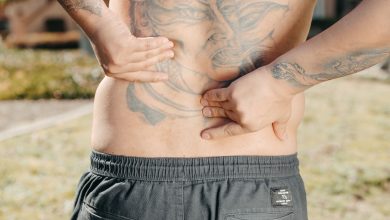
Best Lower Back Pain Exercises
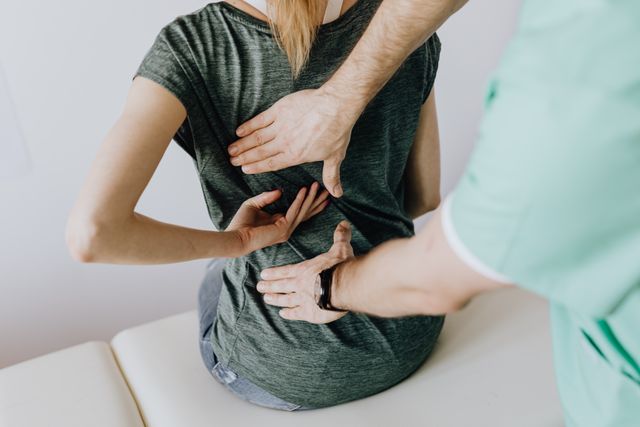
Understanding Lower Back Pain
Lower back pain is one of the most common health complaints affecting people of all ages. Poor posture, prolonged sitting, muscle strain, heavy lifting, and lack of physical activity can all contribute to discomfort in the lower back. In many cases, gentle exercises can help reduce pain, improve flexibility, and strengthen the muscles that support the spine.
Regular movement helps increase blood flow, reduce stiffness, and improve overall mobility. However, exercises should be performed carefully and gradually to avoid worsening the condition. Individuals with severe pain or underlying medical conditions should consult a healthcare professional before beginning an exercise routine.
Benefits of Exercise for Lower Back Pain
Exercise plays an important role in managing and preventing lower back pain. Strengthening the muscles around the spine improves stability and reduces stress on the lower back. Stretching exercises increase flexibility and help relieve muscle tension.
Physical activity also promotes better posture and supports healthy body weight, both of which can reduce pressure on the spine. Regular exercise may improve balance, mobility, and overall quality of life while lowering the risk of future back problems.
Pelvic Tilt Exercise
The pelvic tilt is a simple exercise that strengthens abdominal muscles and supports the lower back. Lie on your back with your knees bent and feet flat on the floor. Tighten your stomach muscles and gently press your lower back against the floor.
Hold the position for a few seconds before relaxing. Repeat the movement several times while maintaining slow and controlled breathing. This exercise helps improve spinal stability and reduce lower back tension.
Knee-to-Chest Stretch
The knee-to-chest stretch helps relieve tightness in the lower back and improves flexibility. Lie on your back and slowly bring one knee toward your chest while keeping the other foot on the floor.
Hold the stretch for twenty to thirty seconds before switching legs. You can also bring both knees toward your chest for a deeper stretch. Performing this exercise regularly may reduce stiffness and improve mobility.
Cat-Cow Stretch
The cat-cow stretch is a gentle movement that improves spinal flexibility. Begin on your hands and knees with your back in a neutral position. Slowly arch your back upward while lowering your head to create the cat position.
Next, lower your abdomen toward the floor while lifting your head and chest into the cow position. Move slowly between the two positions several times. This exercise helps loosen the spine and reduce muscle tension.
Bridge Exercise
The bridge exercise strengthens the glutes, lower back, and core muscles. Lie on your back with your knees bent and feet flat on the floor. Tighten your abdominal muscles and slowly lift your hips off the ground.
Hold the position for several seconds before lowering your hips slowly. Repeat the exercise ten to fifteen times. Stronger supporting muscles can help reduce pressure on the lower back and improve posture.
Walking and Low-Impact Activities
Walking is one of the safest and most effective exercises for lower back pain. A short daily walk improves circulation, maintains mobility, and strengthens muscles without placing excessive stress on the spine.
Other low-impact activities such as swimming, cycling, and gentle yoga may also provide relief. Staying active helps prevent stiffness and supports long-term back health.
Conclusion
Lower back pain exercises can play an important role in reducing discomfort and improving mobility. Gentle stretches, strengthening exercises, and regular physical activity help support the spine and prevent future pain. By practicing these exercises consistently and maintaining good posture, many people can experience better flexibility, stronger muscles, and improved quality of life. Always listen to your body and seek professional advice if pain becomes severe or persistent.