Agility Drills for Athletes
Agility Drills for Athletes: Improve Speed, Balance, and Performance
Athletic success depends on more than strength and endurance. Agility plays a crucial role in helping athletes move efficiently, react quickly, and maintain control during competition. Whether participating in football, basketball, soccer, tennis, or other sports, agility training can improve overall performance and reduce the risk of injury. By incorporating agility drills into regular workouts, athletes can develop better coordination, speed, and balance.
Why Agility Training Matters
Agility is the ability to change direction quickly while maintaining balance and body control. Athletes constantly make sudden movements, stop abruptly, and react to opponents or changing situations. Strong agility skills help improve reaction time, coordination, and movement efficiency.
Regular agility training also strengthens muscles, enhances joint stability, and improves cardiovascular fitness. These benefits allow athletes to perform at a higher level while reducing the likelihood of strains, sprains, and other injuries.
Ladder Drills for Foot Speed
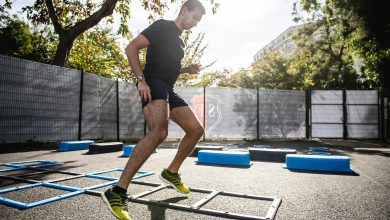
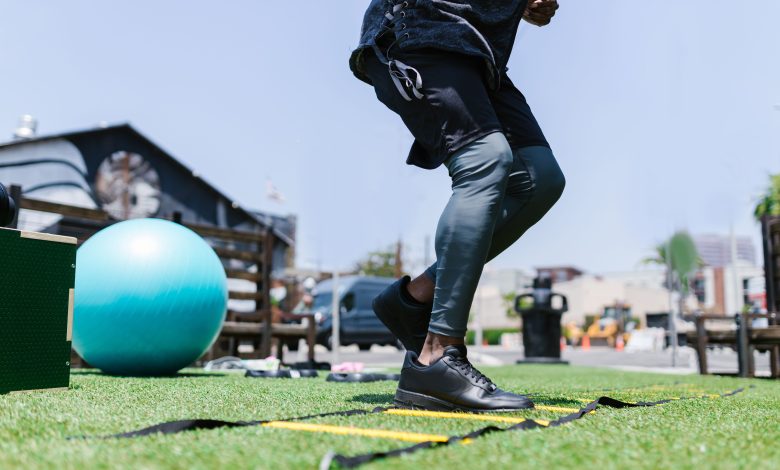
Agility ladders are among the most popular training tools for athletes. They help improve foot speed, coordination, and body control. Common ladder exercises include high knees, lateral steps, in-and-out movements, and single-leg hops.
These drills force athletes to move their feet quickly while maintaining balance and proper posture. Practicing ladder exercises several times each week can increase quickness and improve overall athletic movement patterns.
Cone Drills for Direction Changes
Cone drills are highly effective for developing acceleration and directional changes. The T-drill, shuttle run, and zigzag cone drill require athletes to sprint, stop, and change direction rapidly.
These exercises train the body to respond efficiently during competitive situations. Athletes learn to maintain control while moving at high speeds, which is especially important in sports that involve frequent cuts and turns.
Plyometric Drills for Explosive Power
Plyometric exercises combine strength and agility by training muscles to produce explosive movements. Box jumps, lateral jumps, and single-leg hops improve both power and coordination.
These drills strengthen the lower body while teaching athletes to land safely and maintain balance. Improved explosive power helps athletes accelerate faster, jump higher, and react more quickly during games.
Reaction Drills for Faster Responses
Reaction-based exercises challenge athletes to respond to visual or verbal signals. Coaches may use whistles, colored markers, or partner commands to direct movement.
For example, an athlete may sprint in different directions based on a coach’s signal. These drills improve decision-making speed and help athletes react quickly during competition. Faster reactions often provide a significant advantage in many sports.
Balance and Coordination Exercises
Balance is essential for effective agility. Exercises such as single-leg stands, balance board training, and stability exercises help strengthen supporting muscles and improve body control.
Strong balance skills allow athletes to maintain proper positioning during sudden movements. Improved coordination also enhances overall athletic performance and reduces the risk of falls or awkward landings.
Creating an Effective Agility Routine
Athletes should perform agility drills two to four times per week depending on their sport and training schedule. Sessions should begin with a proper warm-up and include a variety of exercises that target speed, balance, coordination, and reaction time.
Gradually increasing difficulty helps prevent plateaus and keeps training challenging. Proper technique is always more important than speed when learning new drills.
Conclusion
Agility training is an essential component of athletic development. Drills such as ladder exercises, cone drills, plyometrics, reaction training, and balance work help athletes move more efficiently and perform better in competition. By consistently practicing agility exercises, athletes can improve speed, coordination, and overall performance while reducing the risk of injury. Adding these drills to a regular training routine can provide lasting benefits for athletes at every level.